Tipping
Tipping is not mandatory but appreciated. In restaurants, around 5–10% is customary if a service charge is not included. Small tips are also common for hotel staff, drivers, and guides.
Sockets and voltage
Mali uses plug types C and E. The standard voltage is 220 V with a frequency of 50 Hz.
Drinking water
Tap water is not safe to drink. Bottled or boiled water is recommended for drinking and brushing teeth. Avoid ice unless you are sure it is made from purified water.
Safety
Mali has significant safety concerns due to ongoing conflict, terrorism risks, and political instability. Travel is strongly discouraged in most areas. If travel is unavoidable, follow official advisories, avoid public gatherings, and use security arrangements.
Body language
Greetings are very important and often involve handshakes that may last longer than expected. Use the right hand when giving or receiving items. Public displays of affection are not appropriate.
Business hours
The workweek typically runs from Monday to Friday, with Friday prayers affecting business hours. Offices may close in the afternoon due to heat.
Languages
The official language is French, used in government and education. Bambara is the most widely spoken local language, and several other indigenous languages are used across the country.
Cultural insights
-
Dress modestly
Conservative clothing is recommended, especially in rural areas and for women.
-
Islamic culture
Islam plays a central role in daily life; respect religious customs and prayer times.
-
Hospitality
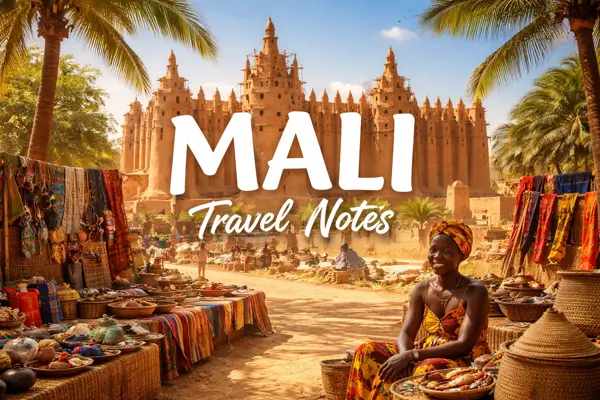
Malians are known for their strong traditions of hospitality and community.
-
Traditional culture
Music, storytelling, and oral traditions are an important part of Malian heritage.