Tipping
Tipping is not strictly required in Uzbekistan but is appreciated for good service. In restaurants and cafés, leaving around 5–10% is common if a service charge is not already included. Small tips for hotel staff, taxi drivers, and tour guides are also customary.
Sockets and voltage
Uzbekistan uses plug types C and F (European standard). The standard voltage is 220 V with a frequency of 50 Hz, so most European devices will work without a converter, though travelers from other regions may need an adapter.
Drinking water
Tap water is generally not recommended for drinking. Visitors should use bottled or filtered water, which is widely available in cities. It is also advisable to use bottled water for brushing teeth in some areas.
Safety
Uzbekistan is considered a relatively safe country for travelers. Violent crime is uncommon, but petty theft can occur in crowded areas such as markets, public transport, and tourist sites. Keep valuables secure and remain aware of your surroundings.
Body language
Handshakes are a common greeting, especially between men. It is polite to greet elders first as a sign of respect. Avoid overly casual behavior in formal or traditional settings.
Business hours
Government offices and businesses usually operate Monday to Friday from around 9:00 AM to 6:00 PM. Markets and shops often open earlier and may stay open later, particularly in major cities.
Languages
The official language is Uzbek. Russian is also widely spoken and commonly used in business, administration, and urban communication. Minority languages such as Tajik, Karakalpak, and others are spoken in different regions.
Cultural insights
-
Respect for elders
Age and seniority are highly respected in Uzbek culture.
-
Dress modestly
Casual clothing is common, but modest dress is recommended when visiting mosques or religious sites.
-
Hospitality
Offering tea and food to guests is an important tradition, and visitors are often welcomed warmly.
-
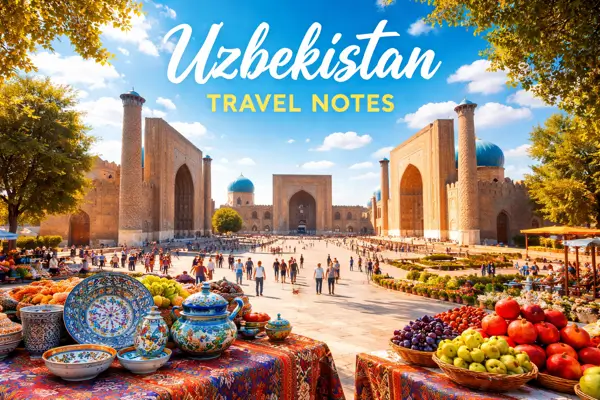
Market culture
Traditional bazaars play an important role in daily life and are popular places for shopping and social interaction.