Tipping
Tipping is not mandatory but appreciated in Djibouti. In restaurants, around 5–10% is typical if a service charge is not included. Small tips are also given to hotel staff, drivers, and guides.
Sockets and voltage
Djibouti uses plug types C and E. The standard voltage is 220 V with a frequency of 50 Hz.
Drinking water
Tap water is not safe to drink. Bottled or filtered water should be used for drinking and brushing teeth.
Safety
Djibouti is relatively stable compared to some neighboring countries, but travellers should still exercise caution. Petty crime can occur, particularly in urban areas like Djibouti City. Avoid isolated areas and follow local advice.
Body language
Handshakes are common greetings. Use the right hand when giving or receiving items. Conservative and respectful behaviour is expected in public.
Business hours
The workweek typically runs from Sunday to Thursday. Offices usually operate from around 8:00 AM to 2:00 PM, often with a break during the hottest part of the day.
Languages
The official languages are French and Arabic. Somali and Afar are also widely spoken in everyday life.
Cultural insights
-
Hot climate
Djibouti has an extremely hot climate — hydration and sun protection are essential.
-
Dress modestly
Conservative clothing is recommended, especially outside tourist areas.
-
Strategic location
The country is an important port and trade hub in the Horn of Africa.
-
Natural attractions
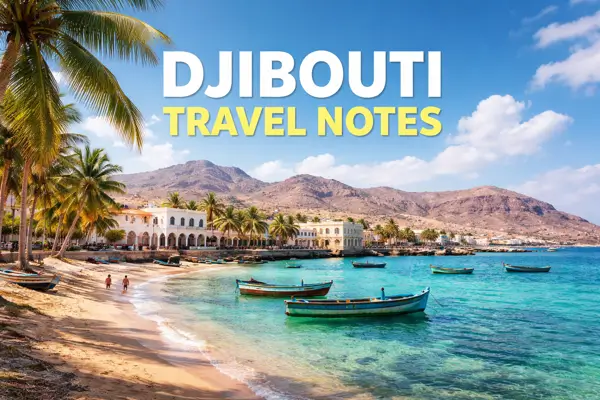
Known for unique landscapes such as salt lakes and volcanic terrain — follow safety guidelines when exploring.